

Planning a Vietnam holiday starts with one simple question: what do you want most? Or Hanoi’s noisy old streets? A slow cruise through Halong Bay? A few lazy days on a Da Nang beach? You can get all of it in Vietnam. But try to squeeze it into one short trip and you’ll see almost nothing properly. When you look at Vietnam tour packages, don’t just count the attractions. Check how much time you actually get at each stop. That’s the part people miss.
A relaxed route, decent hotels and travel days that make sense beat a huge sightseeing list every time. This guide from Travel Junky covers how to pick places, sort out transport and put together a trip that fits your pace.
How Many Days Do You Need for Vietnam?
Seven to ten days is fine for a first trip. Got twelve or fourteen? Even better. You can cover more regions and you won’t be packing your bag every second night. Vietnam is long. Going north to south takes some planning, and even a short flight eats time with airport transfers, check-in and waiting at the baggage belt.
Decide the trip length first. Then pick places:
| Holiday Length | Suggested Approach |
| 5–6 days | Stay in one region, add a nearby day trip |
| 7–8 days | Two regions, fewer hotel changes |
| 9–10 days | A few highlights across three regions |
| 12–14 days | Slower stays, countryside or beach time |
Pro tip: Count sightseeing days separately from arrival and departure days. Land late at night and you’ve basically lost that day.
What Is the Best Time to Visit Vietnam?
Depends on where you’re going. Each region has its own weather. March to May is often a decent choice for most of the country, but no single season works everywhere. (Vietnam Tourism says about the same.)
Quick rundown:
- Northern Vietnam: Spring and autumn are best for city walks and outdoor activities. Winter gets chilly. Summer is hot and rainy.
- Central Vietnam: Check the rainfall before you book a beach stay, mainly later in the year.
- Southern Vietnam: Warm all year, with a clear wet season and a dry one.
Look up every place before booking. Rain can wreck a cruise or an outdoor plan, so leave a bit of breathing room around the things you care about most.
Pro tip: Pick dates and places together. If you book flights first and check the season after, you might be stuck with bad options.
Which Places Should You Include in Your Vietnam Trip?
These eight destinations offer a mix of cities, heritage, countryside and beaches. Treat them as choices for your route; a week-long holiday does not need all eight.
1. Hanoi: For Food, Culture and Old Streets
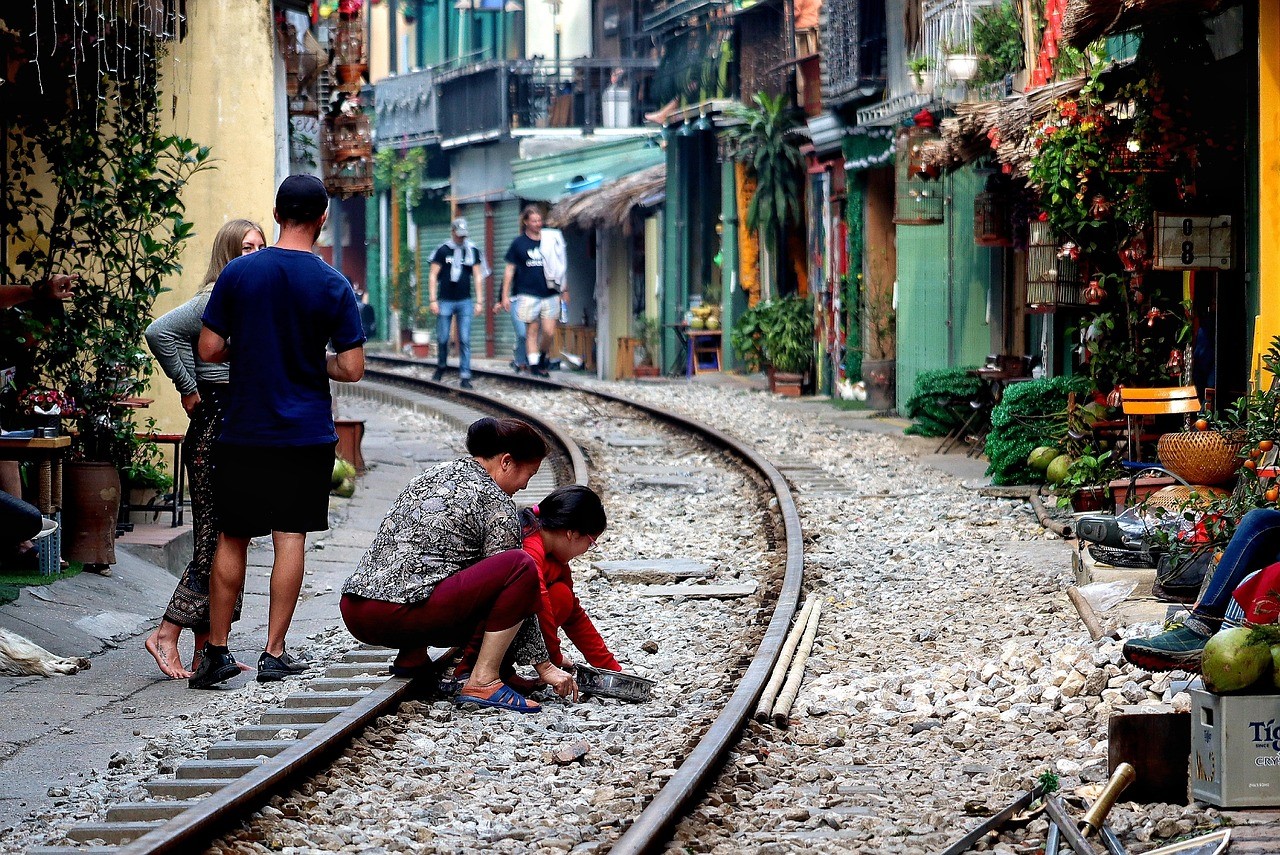
Vietnam’s capital is a solid start for a northern trip. The Old Quarter is packed with busy shopping lanes, tiny restaurants and cafés, all loud and a bit chaotic. Hoan Kiem Lake is a good spot for a slow walk when you need a break from the honking. Stay two nights at least. Otherwise your sightseeing gets mixed with transfers and day trips.
What to include:
- A walk through the Old Quarter
- Some time by Hoan Kiem Lake
- A guided food tour or a water puppet show
Pro tip: Choose a hotel with good recent reviews for noise levels. A central address is convenient, but some streets stay busy late.
2. Phu Quoc: For a Slower Beach Finish

Phu Quoc is a nice way to end a trip if you want resort time and fewer early mornings. Add it only if beach relaxing is a real priority and the extra flight isn’t a hassle. Couples looking at Vietnam honeymoon tour packages should check that the plan leaves enough quiet time together.
What to include:
- A few easy beach days
- Resort facilities and spa time
- Optional water activities, depending on conditions
Pro tip: Check the resort’s location, beach access and nearby restaurants before picking a room.
3. Halong Bay: For a Cruise Experience
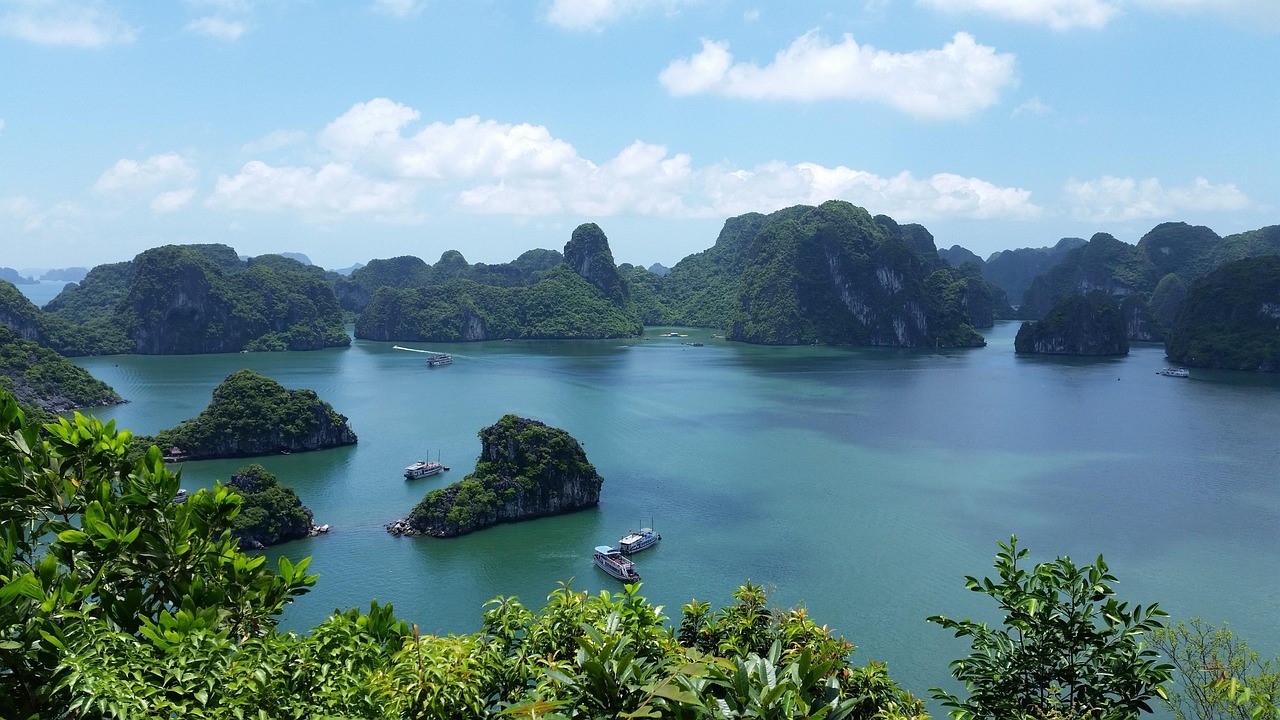
Halong Bay is for anyone who wants limestone cliffs and time out on the water. The main choice is a day cruise or an overnight one. A day trip means lots of time in a vehicle. An overnight cruise gives you more time on the boat, though what you actually do depends on the operator, the route and the weather.
Check before you book:
- Transfer time and real sailing time
- Cabin type and meals
- Included activities and cancellation terms
Pro tip: Compare the full cruise schedule. Nice cabin photos won’t tell you how much time goes on travelling and how much on sightseeing.
4. Ninh Binh: For Countryside and Boat Rides

Ninh Binh is a calmer break from the cities. Limestone hills, rivers, village views. It’s good if you like being outdoors but don’t want anything hard-core. You can do it as a day trip. Staying overnight is nicer, and you won’t feel rushed.
What to include:
- A boat ride
- Cycling on easy countryside routes
- A viewpoint walk, if you’re okay with steps
Pro tip: Avoid combining a long climb, cycling and a boat ride into one tightly scheduled afternoon, especially in hot weather.
5. Da Nang: For Beaches and a Convenient Base

Da Nang is a handy choice if you want beach time but also like visiting a proper city nearby. Families like it because you can stay in one hotel and skip all the packing and unpacking. Leave some free time. Not every beach day has to become another full-on tour.
What to include:
- Time at My Khe Beach
- Local food and café stops
- An evening near Dragon Bridge
Pro tip: Choose your hotel area by what matters to you. Beach access and easy city sightseeing can mean two different spots.
6. Hoi An: For Heritage Streets and Relaxed Evenings
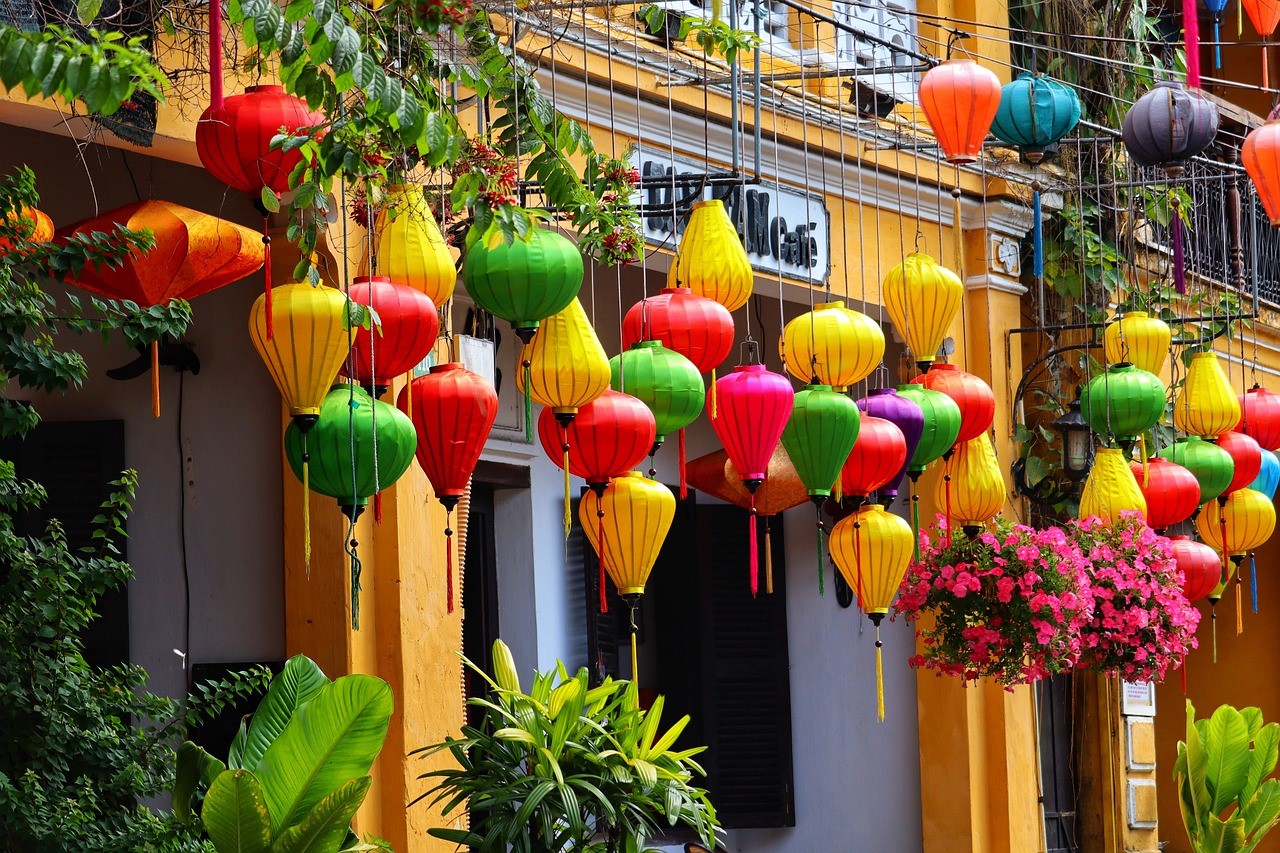
Hoi An is for people who like to wander into little shops and take their time over dinner. Those old streets are best when you aren’t in a hurry. Try to stay a night or two. A quick evening stop doesn’t do it justice.
What to include:
- A walk through the Ancient Town
- A cooking class or local food experience
- Time for cafés and shopping
Pro tip: Getting clothes made? Leave time for fittings and fixes before you fly home.
7. Hue: For History and Imperial Heritage
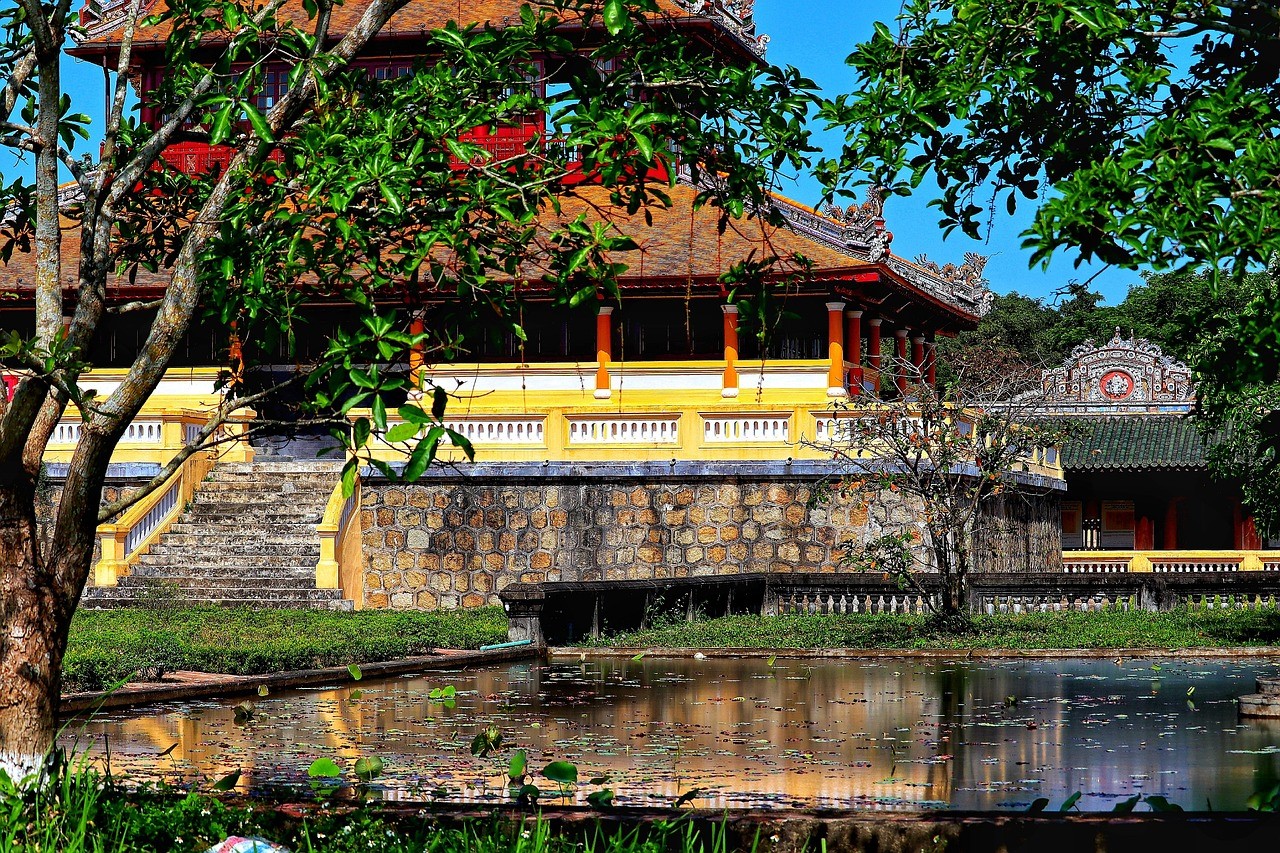
Hue is worth a stop if you care about history. The imperial monuments and royal past give a central Vietnam trip some real depth. Pick a few main sites and take your time. Rushing through several monuments can become repetitive without useful context.
What to include:
- The Imperial City
- A few royal tombs
- Local dishes and a quiet break by the river
Pro tip: Hire a good guide. They’ll tell you what the buildings meant and who was behind them, which you won’t get from a sign.
8. Ho Chi Minh City: For Museums, Markets and City Life

Ho Chi Minh City is busy, loud and full of energy. Old buildings, museums, tons of food. Great if you like an active city holiday. Give it around two days for the main sights. Add more if you want day trips.
What to include:
- A museum visit
- Historic buildings and market browsing
- An evening food experience
Pro tip: Group your sights by area. Crossing the city again eats more time than you’d expect.
How Should You Build Your Vietnam Itinerary?
Go in one direction and avoid backtracking. Flying into one city and out of another can save time, depending on fares and schedules.
A balanced ten-day plan could go like this:
- Days 1–2: Arrive in Hanoi and look around
- Days 3–4: Overnight Halong Bay cruise, then back
- Day 5: Fly to Da Nang and settle in
- Day 6: Beach time and local sightseeing
- Day 7: Visit Hoi An
- Day 8: Fly to Ho Chi Minh City
- Day 9: A few city sights
- Day 10: Fly home
That covers five of the eight places. Travel Junky can adjust it to match your interests, flight times and pace.
Pro tip: Keep arrival evenings light. And don’t plan a long excursion right before an international flight.
How Do You Plan Your Vietnam Travel Budget?
Work out the budget for the whole trip, including transfers and activities.
Main costs:
- International and domestic flights
- Hotels and breakfast
- Airport transfers and local transport
- Cruises, entry tickets and guided activities
- Food, visa fees and travel insurance
- Shopping and pocket money
When you compare quotes, look at what’s included. A cheaper deal may leave out baggage, transfers or activities that the other quote already has.
Pro tip: Keep a small separate amount for random buys and surprises, so they don’t cut into your main bookings.
What Visa and Documents Should You Arrange?
Indian travellers can apply through Vietnam’s official e-visa system. E-visas can be issued for up to 90 days, single or multiple entry. Use the official portal and check the latest rules before you apply. Keep your passport, photos, hotel details and travel dates handy. When the visa comes, check it against your passport and itinerary before you leave.
Pro tip: Apply early. Keep printed and digital copies of your documents.
What Else Makes the Trip Easier?
A few small things save a lot of stress:
- Carry some Vietnamese dong for small buys
- Get mobile data sorted for maps and messages
- Tell restaurants about dietary needs clearly
- Pack comfy shoes and clothes for the weather
- Leave gaps between big activities
- Confirm baggage limits on every flight
Pro tip: Write down your hotel address and dietary needs, so you can just show them when needed.
Plan a Vietnam Holiday That Fits Your Pace
A good Vietnam trip begins with a route you can actually do. Work out what you care about most, then give each place enough time. Check the small details before you pay, because that’s where things go wrong. Honestly, a comfy hotel, a simple transfer and one free afternoon can end up being the best part of the holiday, more than some famous sight you rushed through. Travel Junky can help you build the plan around your dates, your interests and your budget, so you’ve got room to enjoy the places you came for.